
"Proclaim Liberty Throughout All the Land Unto All the Inhabitants thereof": Happy 250th Birthday, USA!
POSTED ON: Thursday, July 2, 2026 12:00 AM by Jennifer Bryan
On July 2, 1776, the Second Continental Congress, meeting in Philadelphia, adopted Richard Henry Lee's resolution declaring "that these united colonies are, and of right ought to be, free and independent states." On Thursday, July 4, Congress approved the Declaration of Independence, which incorporated Lee's resolution in its last paragraph, and ordered that copies be sent to the governments of the colonies, the commanding officers of the army, and "that it be proclaimed in each of the United States, and at the head of the army."
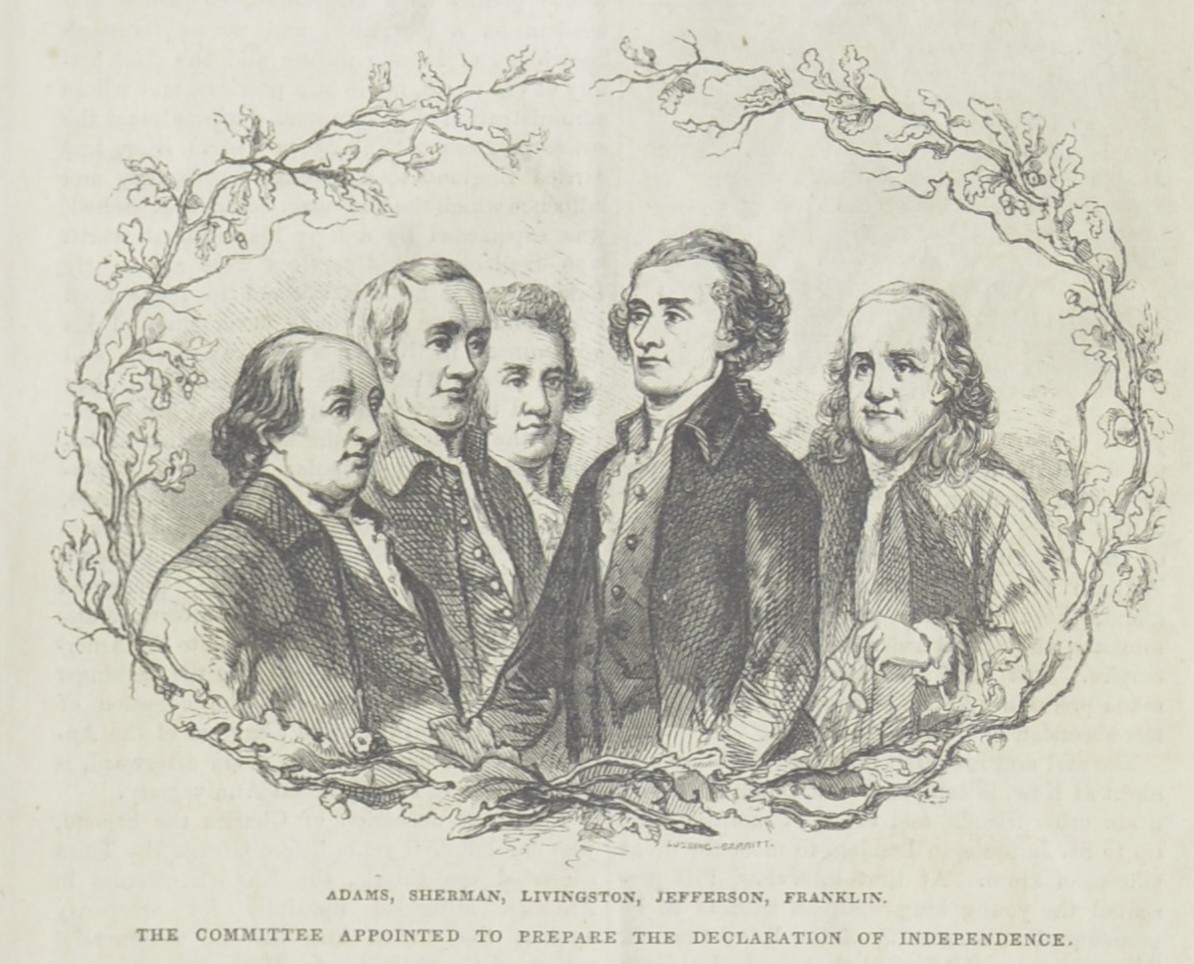
Sometime in the late afternoon or early evening of July 4, Philadelphia printer John Dunlap, Congress's official printer, received a fair manuscript copy of the Declaration, signed by John Hancock as president of Congress and attested by Charles Thomson as secretary. Dunlap's shop rapidly set the type from the manuscript and printed a number of broadsides, large single sheets of paper printed on one side. The first set of broadsides went to John Hancock, who began sending them on July 5 to government officials as ordered by Congress.
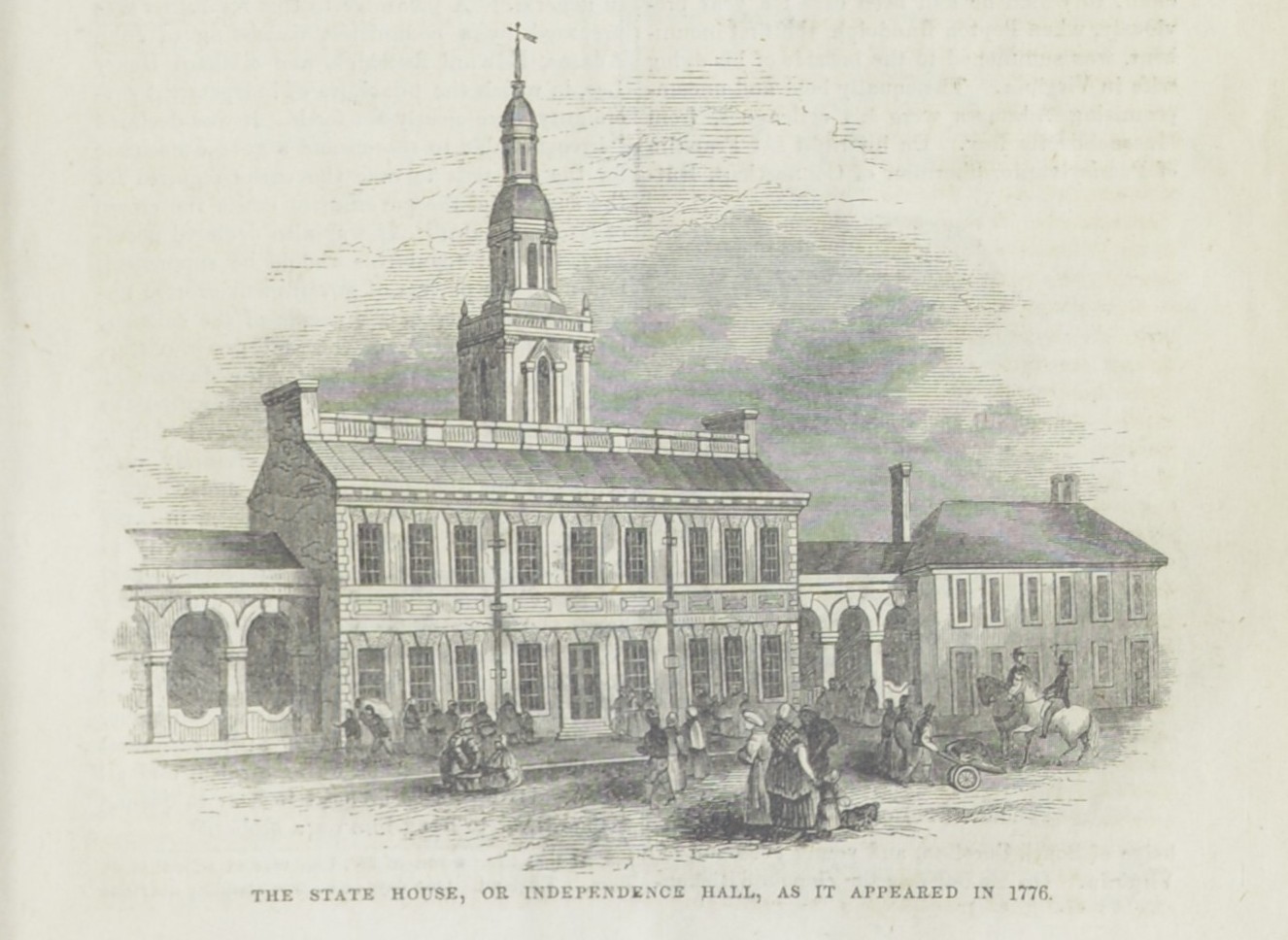
The State House, Or Independence Hall, As It Appeared in 1776.” Illustration from Benson J. Lossing, “Our National Anniversary," Harper's New Monthly Magazine, July, 1851.>
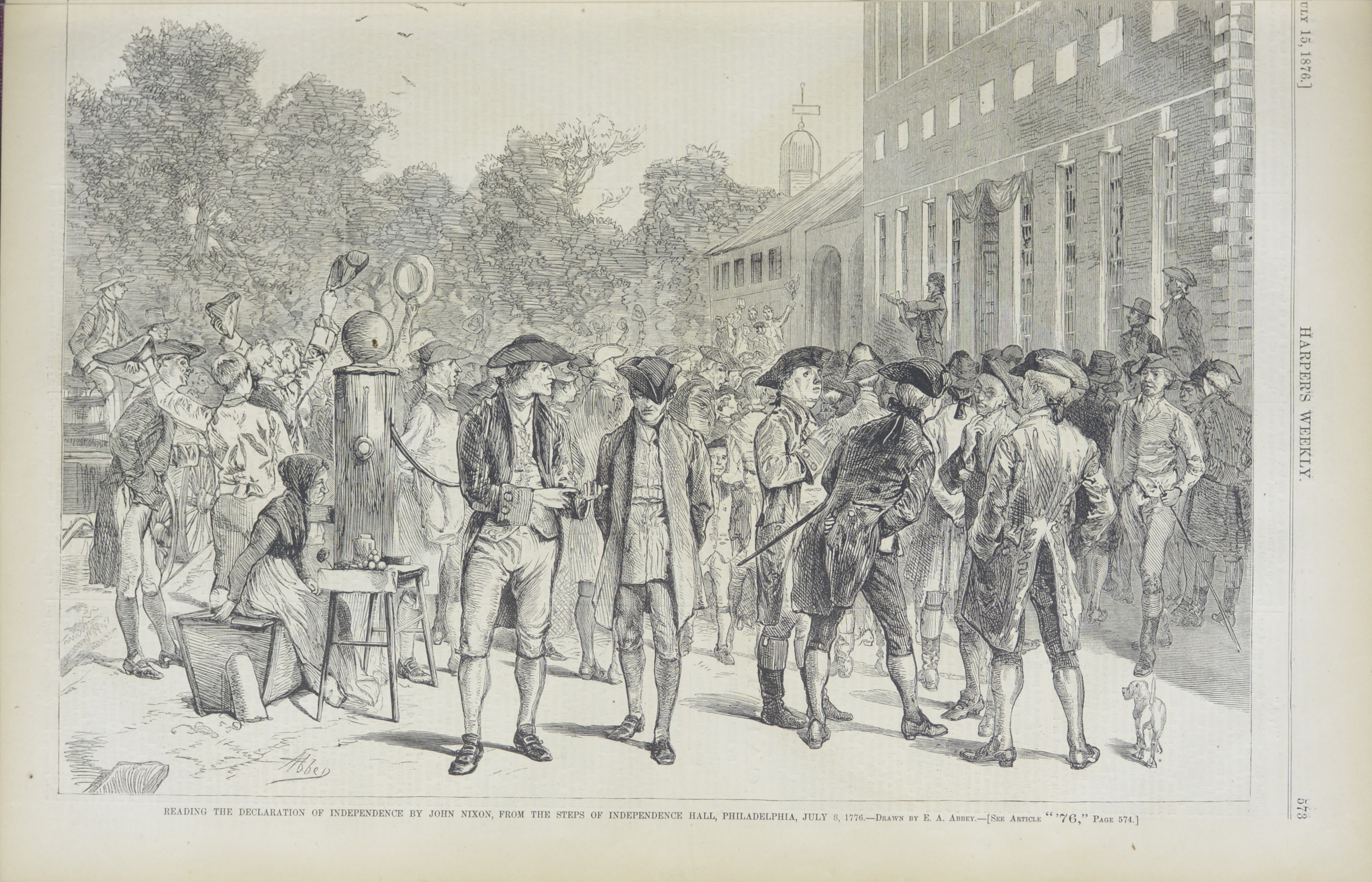
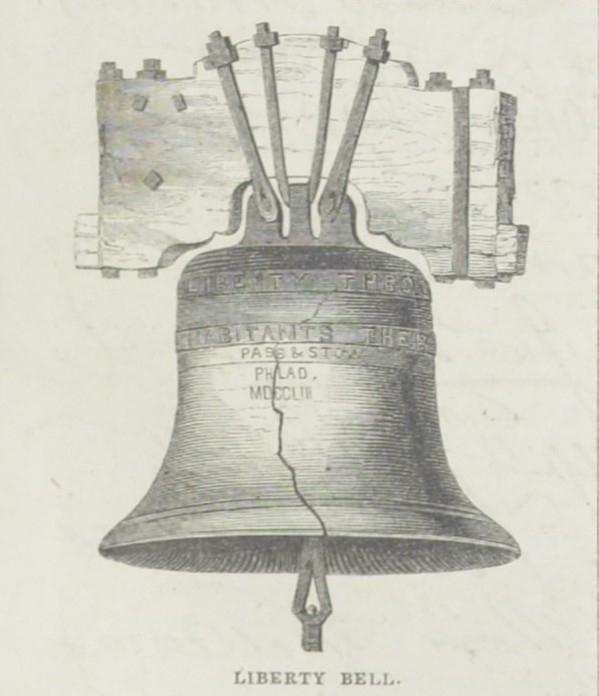
The first public reading of the Declaration of Independence occurred at noon on July 8 at the State House (Independence Hall) in Philadelphia, “in the presence of many thousand spectators, who testified their approbation of it by repeated acclamations of joy.” John Adams recalled that “the Battalions paraded on the Common, and gave Us the Feu de Joie, notwithstanding the Scarcity of Powder. The Bells rang all Day and almost all night.” Among those bells would have been the State House bell—known today as the Liberty Bell—with its inscription “Proclaim Liberty Throughout All the Land Unto All the Inhabitants thereof.”
On July 6, John Hancock sent to General George Washington the Declaration, “which I am directed to transmit to you, and to request you will have it proclaimed at the Head of the Army in the Way, you shall think most proper.” On July 9, Washington ordered that “the several brigades are to be drawn up this evening on their respective Parades, at six OClock, when the declaration of Congress, shewing the grounds & reasons of this measure, is to be read with an audible voice.” Washington continued, “The General hopes this important Event will serve as a fresh incentive to every officer, and soldier, to act with Fidelity and Courage, as knowing that now the peace and safety of his Country depends (under God) solely on the success of our arms: And that he is now in the service of a State, possessed of sufficient power to reward merit, and advance him to the highest Honors of a free Country.” The army was then in New York, preparing to defend the city from the British army that had encamped on Staten Island only a few days earlier.
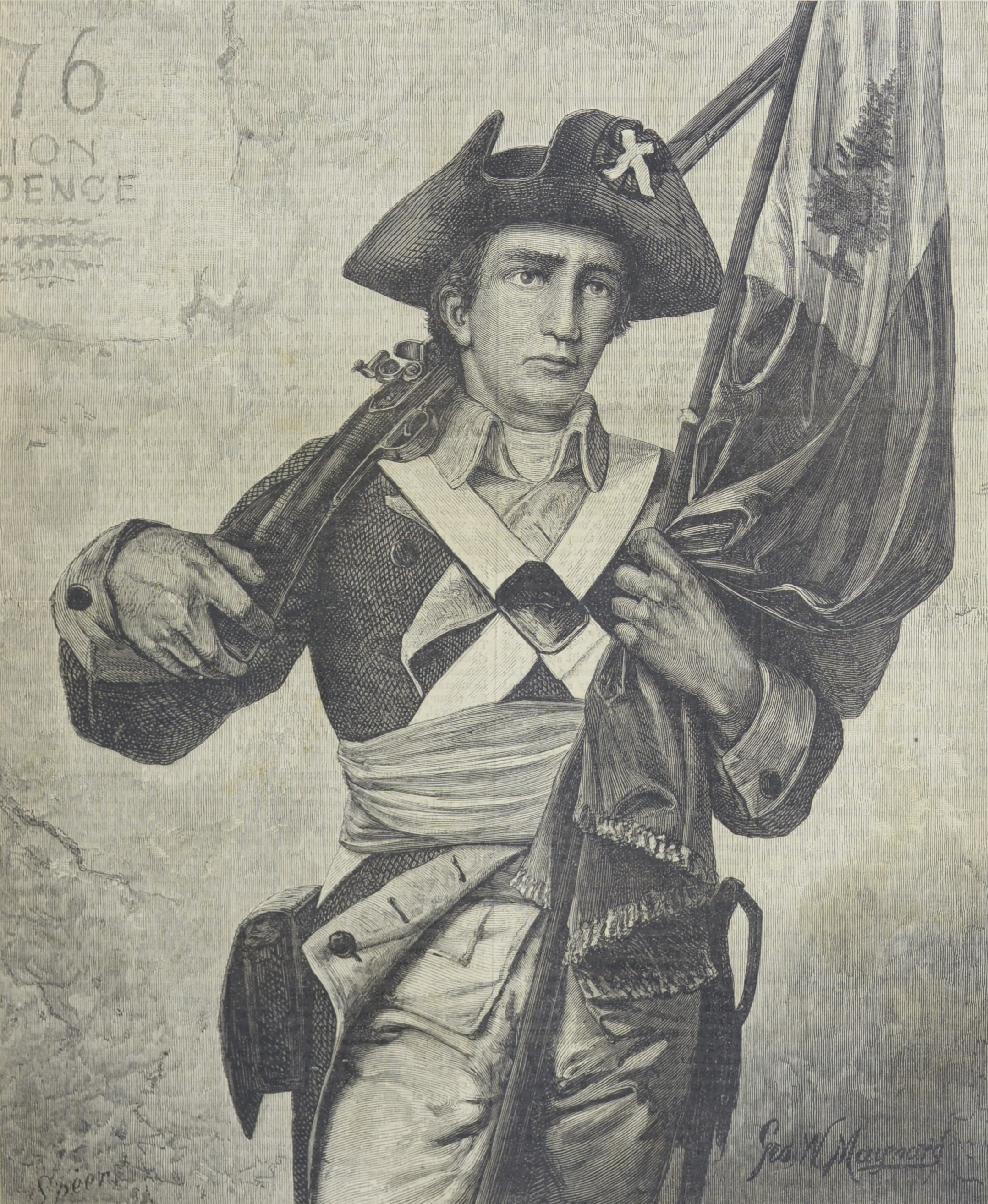
The Declaration of Independence was proclaimed throughout the “united colonies” from New Hampshire to Georgia, with ceremonies similar to those in Philadelphia. In Boston, the Declaration was read from the balcony of the State House at one o’clock on Thursday, July 18, 1776. “It was received with great joy, expressed by three huzzas form a great concourse of people assembled on the occasion: after which on a signal given, thirteen pieces of cannon were fired from the fort on Fort Hill; the Forts at Dorchester Neck, the Castle, Nantasket, and Point Alderton likewise discharged their cannon; then the detachment of Artillery fired their cannon thirteen times, which was followed by the two regiments giving their fire from the thirteen divisions in succession.” In Williamsburg, Virginia, the Declaration was proclaimed on July 25 from the Capitol, the Courthouse, and the Governor’s Palace “amidst the acclamations of the people, accompanied by firing of cannon and musketry, the several regiments of Continental troops having been paraded on that solemnity.” On August 10 in Savannah, news of the Declaration of Independence having arrived on August 8, the President and Council of Georgia read the document in the Council Chamber, “then proceeded to the Square before the Assembly House, and read it likewise before a great concourse of people, when the Grenadier and Light Infantry Companies fired a general volley.”
The thirteen British colonies had declared their independence, but they still had to win it.
Sources:
Washington, George. The Papers of George Washington. Revolutionary War Series. Vol. 5 June-August 1776, edited by Philander D. Chase. Chatlottesville and London: University Press of Virginia, 1993. E312.72 1985
Deshler, Charles D. "How the Declaration Was Received in the Old Thirteen." Harper's New Monthly Magazine 85 (1892): 165-187
Goff, Frederick R. The John Dunlap Broadside: The First Printing of the Declaration of Independence. Washington: Library of Congress, 1976.E221.G8
Maier, Pauline. American Scripture: Making the Declaration of Independence. New York: Alfred A. Knopf, 1997.E221.M25 1997
The Pennsylvania Evening Post, July, 9, 1776.
Category: Special Collections & Archives, History